Digital Marketing for Startups with Small Budget: What Works Now
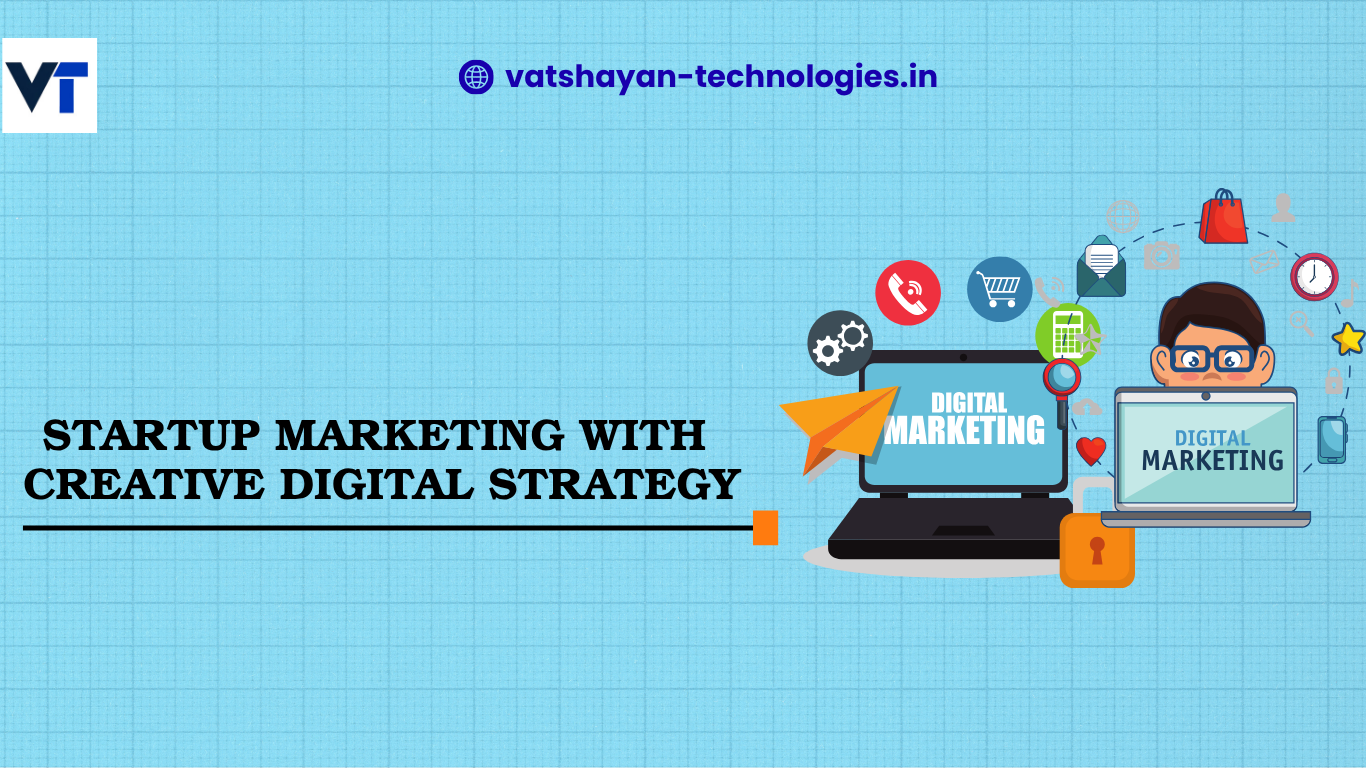
Startup marketing is the key to building online visibility in today’s fast-paced digital world. Spending thousands on large-scale marketing campaigns is quite impractical for early-stage businesses, but remarkable growth can still be achieved with a proper strategy. With a focus on creative, data-driven, and cost-effective methods, startups can reach their target audience, build brand authority, drive engagement, and do so without overspending. This blog explores the most effective digital marketing strategies that empower startups to achieve big results on a small budget, helping them grow sustainably in a competitive online landscape.
Understanding Startup Marketing: The Foundation of Growth
Every entrepreneur knows that starting a startup is the easy part, while sustaining it requires the smartness of strategy. The main difference between success and struggle lies in exactly how you reach your audience, and that’s where startup marketing becomes crucial.
Unlike big corporations, startups depend on affordable digital marketing that relies on creativity, consistency, and data-driven results. Startup marketing thrives on SEO, content marketing, and social media-all meant to drive organic traffic and build brand authority.
Instagram, LinkedIn, and X have now become goldmines of online marketing for startups to grow visibility with high levels of engagement at minimal costs. The backbone of any good startup marketing is to understand who your audience is. If you know what they need, then all your effort will give you higher ROI.
Startup Marketing Strategies That Work on a Small Budget
Every move counts when the funds are limited. The most successful startups aren’t the ones with big budgets; rather, they’re ones that make every digital opportunity count. That’s the real meaning of startup marketing: creativity combined with data for maximum impact.
a) Content marketing
Content marketing is one of the most affordable ways to market a startup. Publishing regular helpful blogs, how-to guides, or videos builds trust and boosts brand authority. Optimizing posts with terms like affordable digital marketing and startup growth strategy helps in driving steady organic traffic and visibility.
b) Social Media Marketing
Social media remains the lifeline of startup marketing. Instagram, LinkedIn, and YouTube help startups connect directly to audiences. Storytelling consistently, community engagement, and micro-influencer collaborations grow reach without heavy ad spend; smart targeting ensures higher ROI.
c) Email and Referral Marketing
Email and referral campaigns are powerful yet inexpensive forms of digital marketing for a startup. You can build your list with free resources: encourage happy customers to refer others, as word-of-mouth always drives much more credibility and conversions than any paid promotion.
d) SEO and Local Optimization
At the heart of startup marketing is SEO. Optimize titles, content, and visuals of your site for better ranking. Use long-tail keywords, focus on local SEO through Google My Business and customer reviews, to attract organic location-based traffic at no ongoing cost.
e) Smart Paid Advertising
Paid advertisement also works in startup marketing, provided that it is done strategically. Use Google Ads or Meta Ads with small budgets, test different creatives, and rely on retargeting to convert visitors cost-efficiently. Smart targeting ensures maximum results for every rupee spent.
Startup Marketing for Building a Long-Term Growth Plan
Successful startup marketing is all about consistency, creativity, and data-driven growth. Instead of trying to do everything, focus on a few strategies done well—tracking key metrics on website visitors, engagement, and conversions can be done with Google Analytics or HubSpot. Storytell and create emotional trust by sharing your journey and values as a startup. Finally, work with complementary brands to extend reach without additional cost. To be sustainable with digital marketing, startups are continuously testing, learning, and adapting. Watch for the growth of AI content creation, influencer micro-campaigns, and automation. Herein lies meaningful, longer-term growth: smart, human-driven strategies in content marketing, SEO, social media, and email marketing.